As a supplier in the rock wool insulation industry, I’ve had numerous discussions with clients curious about how this remarkable product actually works. Today, I’ll take a deep dive into the science behind rock wool insulation, exploring its key principles, benefits, and real – world applications. Rock Wool Insulation
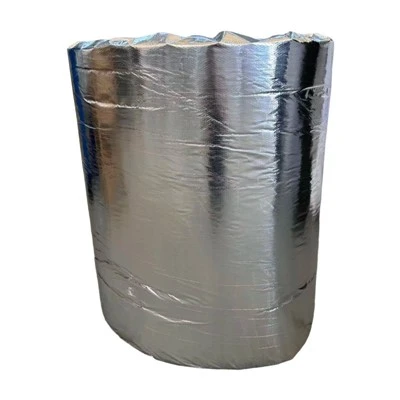
The Basics of Rock Wool Insulation
Rock wool insulation is made from natural and sustainable materials. It is primarily produced from basalt rock, a common volcanic rock, and chalk. The manufacturing process starts by melting these raw materials at an extremely high temperature, around 1,600 degrees Celsius. The molten material is then spun into fine fibers, similar to the way cotton candy is made, but on an industrial scale. These fibers are then bonded together to form different insulation products, such as batts, boards, and loose – fill insulation.
How Rock Wool Insulation Works
Thermal Insulation
The core function of rock wool insulation is to reduce the transfer of heat between two environments. Heat transfer occurs through three main mechanisms: conduction, convection, and radiation.
Conduction is the transfer of heat through a solid material. In the case of rock wool, the fine fibers create a maze – like structure. These fibers are poor conductors of heat because they are made of non – metallic materials and have a high air content. Air is an excellent insulator, and the countless tiny pockets of air trapped within the fiber structure slow down the movement of heat energy. When heat tries to penetrate the rock wool insulation, it has to pass through this complex network of fibers and air pockets, which significantly reduces the rate of conduction.
Convection is the transfer of heat by the movement of fluids (liquids or gases). In buildings, air can move in and out, carrying heat with it. Rock wool insulation acts as a barrier to convection currents. The dense fiber structure restricts the flow of air, preventing warm air from escaping in the winter and hot air from entering in the summer. This is particularly important in preventing drafts and maintaining a comfortable indoor temperature.
Radiation is the transfer of heat in the form of electromagnetic waves. While rock wool is not as effective in blocking radiation as some specialized reflective insulators, its dense and fibrous structure still helps to absorb and scatter some of the radiated heat energy, further contributing to its overall thermal insulation performance.
Acoustic Insulation
Another important function of rock wool insulation is acoustic insulation. Sound waves are vibrations that travel through the air and other materials. Rock wool can effectively reduce the transmission of sound in several ways.
The porous structure of rock wool allows sound waves to enter the material. As the sound waves travel through the fibers, they encounter resistance. The fibers cause the sound waves to bounce around and lose energy through friction. This dissipation of energy results in a reduction of the sound level passing through the insulation. Additionally, the dense nature of rock wool can block the direct path of sound waves, preventing them from easily traveling from one room to another or from the outside to the inside of a building.
Fire Resistance
Rock wool insulation is well – known for its excellent fire – resistant properties. The high – melting – point basalt rock used in its production gives it the ability to withstand extremely high temperatures without melting or burning. When exposed to fire, rock wool acts as a barrier, slowing down the spread of flames and heat. It can also prevent the ignition of adjacent materials by reducing the heat transfer. In commercial and residential buildings, this fire – resistant feature is crucial for ensuring the safety of occupants and protecting the structure from fire damage.
Benefits of Rock Wool Insulation
Energy Efficiency
By effectively reducing heat transfer, rock wool insulation helps to lower energy consumption. In cold climates, it keeps the heat inside the building, reducing the need for excessive heating. In hot climates, it keeps the cool air in, decreasing the reliance on air – conditioning systems. This not only saves money on energy bills but also reduces the overall carbon footprint of the building.
Durability
Rock wool insulation is a long – lasting product. It does not degrade over time like some other insulation materials. It is resistant to mold, mildew, and pests. These qualities ensure that the insulation maintains its performance throughout the life of the building, providing consistent thermal and acoustic insulation.
Environmental Friendliness
The raw materials used in rock wool insulation are abundant and natural. Basalt rock is a renewable resource, and the manufacturing process is relatively energy – efficient. Additionally, at the end of its life cycle, rock wool insulation can be recycled, further reducing its environmental impact.
Real – World Applications
Residential Buildings
In homes, rock wool insulation can be installed in walls, attics, and floors. In the attic, it prevents heat from escaping through the roof, which is a major source of energy loss. In the walls, it provides both thermal and acoustic insulation, creating a more comfortable living environment. Whether it’s a new construction or a retrofit project, rock wool insulation is a popular choice for homeowners looking to improve energy efficiency and comfort.
Commercial Buildings
Commercial buildings, such as offices, hotels, and factories, also benefit greatly from rock wool insulation. In large office buildings, it helps to maintain a consistent indoor temperature, improving the comfort of employees and reducing energy costs. In hotels, the acoustic insulation properties of rock wool ensure a quiet and peaceful environment for guests. In factories, the fire – resistant feature of rock wool is especially important for protecting the building and its equipment from potential fires.
Industrial Applications
In industrial settings, rock wool insulation is used in pipes, boilers, and other equipment. It helps to reduce heat loss from these systems, improving energy efficiency and preventing heat – related accidents. The high – temperature resistance of rock wool makes it suitable for use in harsh industrial environments.
Conclusion
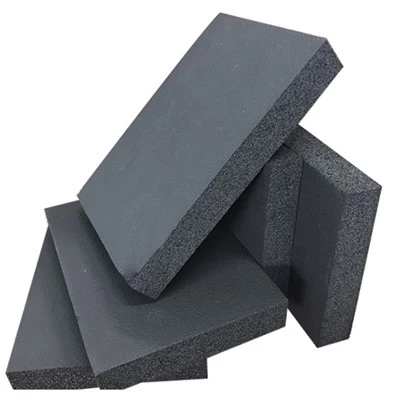
In conclusion, rock wool insulation is a versatile and effective insulation material that works through a combination of physical properties to provide thermal, acoustic, and fire – resistant benefits. Its unique fiber structure, made from natural basalt rock, gives it the ability to reduce heat transfer, dissipate sound energy, and resist fire. Whether it’s for residential, commercial, or industrial applications, rock wool insulation offers a reliable solution for improving energy efficiency, comfort, and safety.
Fire Rated Duct Wrap If you’re interested in learning more about our rock wool insulation products or have a project that requires high – quality insulation, I encourage you to reach out to us for a consultation. We can provide you with detailed information on the right product for your specific needs and assist you in the procurement process. Discussion with us is the first step towards a more energy – efficient and comfortable environment.
References
- "Insulation Manual" by the American Society of Heating, Refrigerating and Air – Conditioning Engineers (ASHRAE)
- "Building Science Basics: Insulation" by the Building Science Corporation
- "Rock Wool Insulation Technology" by relevant industry research papers.
Langfang Yafeng Energy-Saving Technology Co., Ltd.
As one of the most professional rock wool insulation manufacturers and suppliers in China, we’re featured by quality products and good price. Please rest assured to buy bulk premium rock wool insulation for sale here from our factory. Welcome to view our website for more information.
Address: Langfang Xinyafeng, Liugezhuang Town, Dacheng County, Langfang City, Hebei Province
E-mail: yafengbaowen@gmail.com
WebSite: https://www.xyfinsulation.com/
