Hey there! I’m a supplier of low-voltage distribution cabinets, and I’ve been getting a lot of questions about the grounding requirements for these cabinets. So, I thought I’d take a few minutes to break it down and explain why proper grounding is so crucial, what the requirements are, and how we ensure our cabinets meet those standards. Low-Voltage Distribution Cabinet

Why Grounding is a Big Deal
First off, let’s talk about why grounding is so important for low-voltage distribution cabinets. Grounding is basically a safety measure that provides a path of least resistance for electrical current in case of a fault. In a distribution cabinet, there are a whole bunch of electrical components, and things can go wrong. For example, an insulation breakdown can cause electricity to flow where it shouldn’t. If the cabinet isn’t properly grounded, this stray current can pose a serious risk of electric shock to anyone who comes into contact with the cabinet, and it can also lead to fires.
Think of grounding as a safety net. It catches the electrical current and sends it safely into the ground, protecting both people and equipment. Without it, we’d be playing with fire, literally.
The Basics of Grounding Requirements
Now, let’s get into the nitty-gritty of the grounding requirements. There are a few key aspects that we need to consider:
Grounding Conductor Size
The size of the grounding conductor is super important. It needs to be big enough to carry the fault current safely to the ground without overheating. The size is determined by a few factors, like the rating of the overcurrent protection device (OCPD) in the cabinet and the type of electrical system. For instance, in a typical low-voltage distribution system, if you have a higher-rated OCPD, you’re going to need a larger grounding conductor.
Grounding Electrode System
The grounding electrode system is what connects the cabinet to the earth. There are different types of grounding electrodes, such as ground rods, metal water pipes, and concrete-encased electrodes. The electrode system needs to have a low resistance to the earth to ensure that fault currents can flow easily into the ground. In many cases, multiple grounding electrodes are used and bonded together to reduce the overall resistance.
Bonding
Bonding is the process of connecting all the metal parts of the cabinet together. This includes things like the cabinet enclosure, bus bars, and any other metal components. Bonding ensures that all the metal parts are at the same electrical potential, which helps prevent electrical shock and reduces the risk of arcing.
Grounding Fault Protection
Grounding fault protection devices are also required in low-voltage distribution cabinets. These devices detect when there’s a fault current leaking to the ground and quickly cut off the power to prevent further damage. There are different types of grounding fault protection devices, such as ground fault circuit interrupters (GFCIs) and residual current devices (RCDs).
How We Ensure Compliance
As a supplier of low-voltage distribution cabinets, we take the grounding requirements very seriously. We have a team of experts who are well-versed in the relevant electrical codes and standards. When we design our cabinets, we make sure that all the grounding components are sized correctly and installed properly.
We use high-quality grounding conductors that are rated to handle the fault currents expected in our cabinets. For the grounding electrode system, we follow the best practices and use the appropriate electrodes based on the location and the electrical system. We also ensure that all the metal parts of the cabinet are properly bonded together using approved bonding materials.
In addition to the design and installation, we also perform rigorous testing on our cabinets. We use specialized equipment to measure the resistance of the grounding electrode system and to test the functionality of the grounding fault protection devices. Only after our cabinets pass these tests do we consider them ready for the market.
Real – World Examples
I’d like to share a couple of real – world examples to illustrate the importance of proper grounding. A few years ago, we had a client who was experiencing some electrical problems in their factory. They had installed a low – voltage distribution cabinet that wasn’t properly grounded. As a result, there were occasional electrical shocks when workers came into contact with the cabinet, and there were also some signs of arcing inside the cabinet.
We were called in to assess the situation. When we checked the grounding, we found that the grounding conductor was undersized and the grounding electrode system had a high resistance. We immediately replaced the grounding conductor with the correct size and installed additional grounding electrodes to reduce the resistance. After that, the electrical problems disappeared, and the workers were safe once again.
Another example is a commercial building where the grounding fault protection device in the distribution cabinet had malfunctioned. This device was supposed to detect any fault currents and cut off the power. But because it wasn’t working properly, a small electrical fault went undetected, and it eventually led to a fire in the cabinet. We replaced the faulty grounding fault protection device and ensured that all the grounding components were in good condition. This not only prevented future fires but also ensured the safety of the building’s occupants.
Wrapping It Up
So, to sum it up, proper grounding is essential for low-voltage distribution cabinets. It’s a matter of safety for both people and equipment. The grounding requirements cover aspects like conductor size, electrode systems, bonding, and fault protection. As a supplier, we make sure that our cabinets meet these requirements through careful design, high – quality installation, and thorough testing.
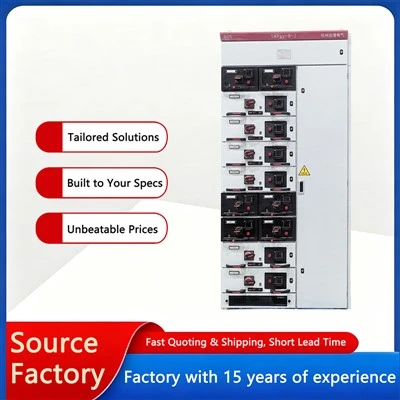
If you’re in the market for a low – voltage distribution cabinet, you need to make sure that the supplier you choose takes grounding seriously. At our company, we’ve got the expertise and the experience to provide you with a top – quality product that meets all the necessary grounding standards.
Power Distribution Cabinet If you have any questions or if you’re interested in learning more about our low – voltage distribution cabinets, feel free to reach out. We’d love to have a chat with you and discuss how our products can meet your needs. Whether you’re setting up a new electrical system or upgrading an existing one, we’re here to help you make the right choice.
References
- National Electrical Code (NEC)
- International Electrotechnical Commission (IEC) standards
- Electrical Safety Foundation International (ESFI) publications
Hangzhou Dagang Electric Co., Ltd.
As one of the most experienced low-voltage distribution cabinet manufacturers in China, our products have good reputation in the market. We warmly welcome you to wholesale high quality low-voltage distribution cabinet for sale here from our factory. If you have any enquiry about cooperation, please feel free to email us.
Address: 1st Floor, Building 11, No.10 Lingang Road, Renhe Subdistrict, Yuhang District, Hangzhou City
E-mail: fang@dagangelectric.com
WebSite: https://www.hzdg-electric.com/
