Hey there! I’m a supplier in the power transmission cable business. Over the years, I’ve seen my fair share of issues with these cables, and I thought I’d share some of the common faults that we often come across. Power Transmission Cable

1. Insulation Damage
One of the most common problems with power transmission cables is insulation damage. The insulation is there to prevent electricity from leaking out and causing short – circuits. But a lot of things can damage it.
First up, mechanical damage. This can happen during installation. Sometimes, the cables get bent too sharply, or they’re pinched between hard objects. For example, if a construction crew is working on laying cables underground and they accidentally hit the cable with heavy equipment, the insulation can get cracked. Even small cracks can lead to big problems over time. Moisture can seep into these cracks, and once that happens, it can start to break down the insulation further.
Environmental factors also play a huge role in insulation damage. Exposure to sunlight can cause the insulation to degrade. UV rays can make the insulation brittle, and it starts to crack. In areas with high humidity, the moisture in the air can penetrate the insulation. And in places with extreme temperatures, like very hot deserts or freezing cold regions, the insulation can expand and contract. This constant change in size can cause it to wear out and eventually break.
2. Electrical Overloading
Electrical overloading is another big headache. Power transmission cables are designed to carry a certain amount of electrical current. But sometimes, the demand for electricity exceeds what the cable can handle.
This can happen in residential areas during peak usage times. For example, on a hot summer day, everyone turns on their air conditioners at the same time. All these appliances draw a lot of power, and if the cables in the neighborhood are old or not properly sized, they can get overloaded.
In industrial settings, large machinery can also cause overloading. Factories that run multiple high – power machines simultaneously can put a huge strain on the power cables. When a cable is overloaded, it starts to heat up. And excessive heat is bad news for the cable. It can damage the insulation, and in severe cases, it can even cause a fire.
3. Corrosion
Corrosion is a major issue, especially for cables that are installed outdoors or underground. When cables are exposed to moisture and certain chemicals in the soil or air, they start to corrode.
Underground cables are particularly vulnerable. The soil can contain various salts and acids that react with the metal parts of the cable, like the conductors and the armor. Over time, this corrosion weakens the cable. The conductors may start to break, which reduces the cable’s ability to carry electricity efficiently. And if the armor is corroded, it can no longer protect the inner parts of the cable from mechanical damage.
For overhead cables, exposure to rain, snow, and industrial pollutants in the air can also lead to corrosion. The metal components of the cable gradually rust away, and this affects its performance.
4. Joint and Termination Problems
Joints and terminations are the weak points in a power transmission cable system. A joint is where two cables are connected together, and a termination is where the cable is connected to equipment like transformers or switchgear.
Poor installation of joints and terminations is a common cause of problems. If the connections are not made properly, there can be a high – resistance point. High resistance means more heat is generated at that point. This can lead to overheating, which can damage the insulation around the joint or termination.
Moisture ingress is also a big issue. If the joint or termination is not sealed properly, water can get in. This can cause corrosion of the metal parts and also degrade the insulation. And once the insulation is compromised, it can lead to electrical breakdown.
5. Aging
Just like everything else, power transmission cables age. Over time, the materials that make up the cable start to deteriorate. The insulation loses its flexibility and strength, and the conductors may become brittle.
The rate of aging depends on a few factors. The quality of the cable when it was first installed matters a lot. Higher – quality cables tend to age more slowly. The operating conditions also play a role. Cables that are exposed to harsh environments, like high temperatures, humidity, or chemical pollutants, will age faster.
As cables age, they become more prone to all the other faults I’ve mentioned. Insulation damage becomes more likely, and they may not be able to handle the same amount of electrical current as they used to.
6. Faulty Design
Sometimes, the problems start right at the design stage. If a cable is not designed properly for the specific application, it’s bound to have issues.
For example, if a cable is designed for a low – voltage application but is used in a high – voltage system, it won’t be able to handle the electrical stress. The insulation may break down quickly, and there could be electrical arcing.
Also, the size of the cable matters. If a cable is too small for the amount of current it needs to carry, it will overheat. And if it’s too large, it can be more expensive and difficult to install.
How to Deal with These Faults
As a power transmission cable supplier, I know how important it is to address these issues. We offer high – quality cables that are designed to withstand different environmental and electrical conditions. We also provide installation guidance to make sure the cables are installed correctly, which can prevent a lot of problems.
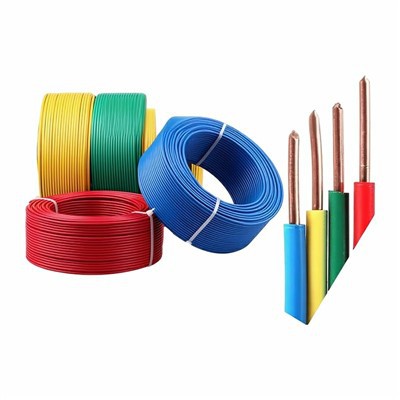
Regular maintenance is key. Inspecting the cables for signs of damage, like insulation cracks or corrosion, can help catch problems early. And if a fault is detected, it’s important to repair it as soon as possible to prevent further damage.
Power Transmission Cable If you’re in the market for power transmission cables, or if you’re dealing with cable – related issues, don’t hesitate to reach out. We’re here to help you find the right solutions for your power transmission needs. Whether you need cables for a small residential project or a large industrial installation, we’ve got you covered. Let’s have a chat and see how we can work together to keep your power flowing smoothly!
References
- "Power Cable Engineering" by John A. Blackburn
- "Electrical Power Transmission System Engineering: Analysis and Design" by Turan Gonen
Hebei Hualun Cable Co., Ltd.
As one of the leading power transmission cable manufacturers and suppliers in China, we offer a wide range of products with superior quality. We warmly welcome you to buy cheap power transmission cable for sale here from our factory. For price consultation, contact us.
Address: XINGBIEYING INDUSTRIAL ZONE, HEBEI PROVINCE CHINA
E-mail: steven@hualunchcable.com
WebSite: https://www.hualuncables.com/
