Endocrine metabolic agents, a diverse group of medications, play a pivotal role in managing various endocrine and metabolic disorders such as diabetes, thyroid diseases, and hormonal imbalances. As a supplier deeply involved in the field of endocrine metabolic agents, I’ve witnessed firsthand the profound impact these drugs can have on different bodily systems, especially the kidneys. In this blog post, I’ll delve into how endocrine metabolic agents affect the kidneys, drawing on scientific research and real – world experiences. Endocrine Metabolic Agents

The Role of the Kidneys in Endocrine and Metabolic Regulation
To understand the effects of endocrine metabolic agents on the kidneys, it’s essential to first recognize the kidneys’ role in endocrine and metabolic processes. The kidneys are not just filtration organs; they are integral to the hormonal and metabolic balance of the body. They produce and secrete hormones like renin, erythropoietin, and calcitriol. Renin is part of the renin – angiotensin – aldosterone system (RAAS), which helps regulate blood pressure and fluid balance. Erythropoietin stimulates red blood cell production, while calcitriol is involved in calcium and phosphate metabolism.
Moreover, the kidneys are responsible for filtering waste products, excess ions, and maintaining the acid – base balance of the blood. They also play a crucial role in glucose metabolism; under normal conditions, the kidneys reabsorb almost all of the filtered glucose back into the bloodstream.
Effects of Antidiabetic Agents on the Kidneys
Diabetes is one of the most common endocrine disorders, and its complications often include kidney damage, known as diabetic nephropathy. Antidiabetic agents are designed to manage blood glucose levels, and their effects on the kidneys can be both beneficial and in some cases, associated with risks.
Metformin
Metformin is a first – line drug for type 2 diabetes. It improves insulin sensitivity and reduces hepatic glucose production. Metformin has been shown to have renoprotective effects. It can slow the progression of diabetic nephropathy by reducing oxidative stress, inflammation, and improving mitochondrial function in the kidneys. Multiple studies have reported that metformin use is associated with a lower risk of developing end – stage renal disease (ESRD) in patients with diabetes. However, in patients with severely impaired renal function (estimated glomerular filtration rate, eGFR < 30 mL/min/1.73m²), metformin is contraindicated due to the risk of lactic acidosis.
Sodium – Glucose Cotransporter 2 (SGLT2) Inhibitors
SGLT2 inhibitors are a relatively new class of antidiabetic drugs. They work by inhibiting the reabsorption of glucose in the proximal renal tubules, leading to increased urinary glucose excretion. These agents have significant renoprotective effects. Clinical trials, such as the EMPA – REG OUTCOME and CANVAS programs, have demonstrated that SGLT2 inhibitors can reduce the risk of kidney failure, progression of albuminuria, and the composite of doubling of serum creatinine and ESRD in patients with type 2 diabetes. They also lead to a reduction in intraglomerular pressure, which is beneficial in preventing further kidney damage.
Insulin
Insulin is a hormone used to control blood glucose levels in both type 1 and advanced type 2 diabetes. While insulin is essential for glycemic control, poor glycemic management with insulin, especially in the presence of fluctuating blood glucose levels, can contribute to the development and progression of diabetic nephropathy. However, when insulin is used effectively to maintain stable blood glucose levels, it can slow the rate of kidney function decline. Additionally, insulin may cause fluid retention, which can put additional strain on the kidneys in some patients.
Effects of Thyroid Hormone Agents on the kidneys
Thyroid hormones play a key role in regulating metabolism, and thyroid disorders can have significant impacts on renal function. Thyroid hormone replacement therapy (e.g., levothyroxine for hypothyroidism) or agents used to suppress thyroid function (e.g., thionamides for hyperthyroidism) can indirectly affect the kidneys through their effects on metabolism.
In hypothyroidism, there is a decrease in glomerular filtration rate (GFR) and renal blood flow. Thyroid hormone replacement with levothyroxine can reverse these changes and improve renal function. In hyperthyroidism, there is an increase in GFR and renal plasma flow. However, long – term uncontrolled hyperthyroidism can lead to glomerular hyperfiltration, which may eventually cause kidney damage. Agents used to control hyperthyroidism can help normalize renal function by bringing the thyroid hormone levels back to normal.
Effects of Hormonal Agents for Adrenal Disorders on the Kidneys
Adrenal hormones, such as aldosterone and cortisol, are involved in maintaining fluid, electrolyte balance, and blood pressure. Medications used to treat adrenal disorders can have profound effects on the kidneys.
Mineralocorticoid Receptor Antagonists (MRAs)
MRAs, such as spironolactone and eplerenone, are used in the treatment of conditions like primary aldosteronism and heart failure. They block the action of aldosterone on the mineralocorticoid receptors in the kidneys, leading to increased sodium and water excretion and potassium retention. By reducing sodium and water reabsorption, MRAs help lower blood pressure and reduce fluid overload. In addition, they have been shown to have anti – fibrotic effects in the kidneys, which can slow the progression of kidney disease, especially in patients with diabetic nephropathy.
Glucocorticoid Therapy
Glucocorticoids are used to treat a variety of conditions, including autoimmune diseases and adrenal insufficiency. However, long – term use of glucocorticoids can have negative effects on the kidneys. They can cause sodium and water retention, leading to increased blood pressure and potentially glomerular damage. Glucocorticoids also increase the risk of diabetes, which can further contribute to kidney damage over time.
Considerations for Endocrine Metabolic Agents in Renal Impairment
When prescribing endocrine metabolic agents, it is crucial to consider the renal function of the patient. For patients with impaired renal function, the dosages of many drugs may need to be adjusted. For example, some drugs are primarily excreted by the kidneys, and a decrease in renal function can lead to drug accumulation and an increased risk of adverse effects.
In addition, the choice of drug may be limited in patients with severe renal impairment. As mentioned earlier, metformin is contraindicated in patients with an eGFR < 30 mL/min/1.73m². On the other hand, some drugs like SGLT2 inhibitors may be beneficial even in patients with mild to moderate renal impairment.
Conclusion and Call to Action
As an endocrine metabolic agents supplier, I understand the importance of having a comprehensive understanding of how these drugs impact the kidneys. Our goal is to provide high – quality products that not only manage endocrine and metabolic disorders effectively but also take into account the potential effects on renal function.
When healthcare providers are looking for reliable endocrine metabolic agents, they need to ensure that the products they source are safe and effective. At our company, we are committed to supplying products that meet the highest standards of quality and comply with all relevant regulations.
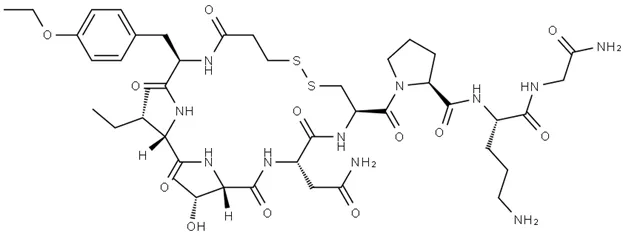
If you are a healthcare provider, pharmacy, or distributor interested in purchasing endocrine metabolic agents, we welcome you to get in touch with us for a detailed discussion about our product portfolio, pricing, and other terms. Our team is always ready to assist you in finding the most suitable solutions for your needs.
Anti-infective Agents References
- Matsuda M, Hino K, Shimomura I. Meta – analysis of the renal protective effects of metformin in patients with type 2 diabetes. Diabetes Care. 2019;42(8):1455 – 1462.
- Wanner C, Inzucchi SE, Lachin JM, et al. Empagliflozin and progression of kidney disease in type 2 diabetes. N Engl J Med. 2016;375(4):323 – 334.
- Danzi S, Klein I. Thyroid function and renal disease. Endocr Rev. 2003;24(1):105 – 121.
- Pitt B, Zannad F, Remme WJ, et al. The effect of spironolactone on morbidity and mortality in patients with severe heart failure. N Engl J Med. 1999;341(10):709 – 717.
- Ross RJ, Niebyl JR, Barrett – Connor E, et al. American College of Obstetricians and Gynecologists Committee on Practice Bulletins; Endocrine Society. ACOG Committee Opinion No. 692: management of thyroid disease in pregnancy. Obstet Gynecol. 2017;130(3):e92 – e102.
HK Neopharm Limited
HK Neopharm Limited is one of the most professional endocrine metabolic agents manufacturers and suppliers in China, also supports customized service. Welcome to buy high quality endocrine metabolic agents in stock here and get quotation from our factory. For price consultation, contact us.
Address: Room W Unit 6086/f Metro Loft 38kwai Hei St Kwai Chung, Hong Kong
E-mail: sales@hkneopharm.com
WebSite: https://www.hkneopharm.com/
