As a supplier of stamping small parts, I understand the critical role that proper packaging plays in ensuring the quality and integrity of our products throughout the supply chain. In this blog post, I’ll share insights into the packaging requirements for stamping small parts based on our extensive experience in the industry. Stamping Small Parts
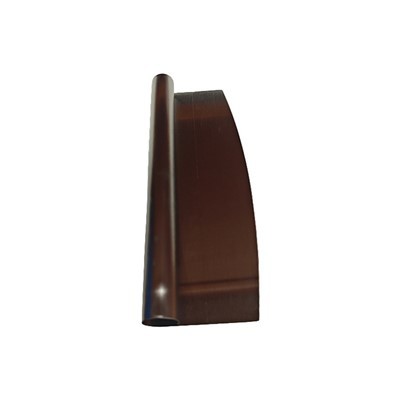
Protection Against Physical Damage
One of the primary functions of packaging for stamping small parts is to protect them from physical damage during handling, transportation, and storage. Stamped parts are often made of metal and can be easily scratched, dented, or deformed if not properly protected. To prevent this, we use a variety of packaging materials and techniques.
For individual parts, we typically use plastic bags or trays. Plastic bags are a cost – effective option that provides a basic level of protection. They can be sealed to keep out dust and moisture. Clear plastic bags are often preferred as they allow for easy visual inspection of the parts without opening the package. Plastic trays, on the other hand, are more rigid and can be customized to fit the exact shape of the stamping parts. They provide better protection against impact and can be stacked, optimizing storage space.
When packing multiple parts together, we use corrugated cardboard boxes. Corrugated cardboard is known for its strength and shock – absorbing properties. Inside the boxes, we use dividers made of cardboard or foam to separate the parts and prevent them from rubbing against each other. Foam inserts can also be used to cushion the parts, providing an extra layer of protection.
Resistance to Environmental Factors
Stamping small parts can be affected by various environmental factors such as moisture, humidity, and dust. Moisture, in particular, can cause metal parts to rust or corrode over time. To protect against this, we use moisture – resistant packaging materials.
Some of our products are packed in moisture – barrier plastic bags with desiccants inside. Desiccants are substances that absorb moisture from the surrounding environment. Silica gel is a commonly used desiccant in our packaging. It helps to keep the inside of the package dry, reducing the risk of rust and corrosion.
In addition, for outdoor storage or long – distance transportation, we may use sealed containers that are more resistant to the elements. These containers can be made of plastic or metal and provide a high – level of protection against moisture, dust, and even UV radiation in some cases.
Compatibility with Automated Handling Systems
In today’s manufacturing and logistics environment, many processes are automated. Our packaging must be compatible with these automated handling systems, such as conveyor belts, robotic pick – and – place machines, and automated sorting systems.
The size and shape of our packages are designed to fit smoothly through the automated equipment. We ensure that the packages are of a standard size and have a regular shape. For example, our boxes are typically rectangular with straight edges, which makes it easier for automated equipment to grip, lift, and move them.
The weight of the packages is also carefully considered. Excessively heavy or unbalanced packages can cause problems for automated handling systems. We use the right amount of packaging material to ensure that the weight of each package is within the acceptable range of the automated equipment.
Identification and Traceability
Proper identification and traceability are essential in the supply chain. Our packaging includes labeling with important information such as part numbers, quantity, batch numbers, and manufacturing dates. This information helps our customers to easily identify the parts and keep track of their inventory.
We also use barcodes and QR codes on our packaging labels. These codes can be scanned by our customers’ inventory management systems, enabling quick and accurate data capture. This not only improves efficiency but also reduces the risk of errors in inventory management.
In addition to labels, we may also use color – coding or unique packaging designs for different product lines or customer orders. This makes it easier for our customers to visually distinguish between different types of parts.
Cost – effectiveness
While providing high – quality packaging is important, we also need to consider cost – effectiveness. We strive to find the right balance between protection and cost.
We source our packaging materials in bulk to take advantage of volume discounts. We work closely with our packaging suppliers to find the most cost – effective materials that still meet our quality requirements. For example, we may choose a certain type of cardboard that offers a good balance between strength and cost.
We also optimize our packaging design to reduce the amount of material used. By using custom – fitted trays and dividers, we can minimize empty space in the packages, which not only reduces the cost of packaging materials but also saves on transportation costs as more packages can be loaded into a single shipment.
Sustainability
In recent years, sustainability has become an important consideration in packaging. We are committed to using environmentally friendly packaging materials whenever possible.
We use recycled cardboard and paper products in our packaging. These materials can be easily recycled after use, reducing the environmental impact. We also encourage the use of reusable packaging options, such as plastic trays and containers, which can be returned and reused in our production process.
In addition, we are constantly looking for new packaging materials and technologies that are more sustainable. For example, we are exploring the use of biodegradable plastics and natural fibers in our packaging.
Conclusion

Proper packaging of stamping small parts is a complex but crucial aspect of our business. It involves protecting the parts from physical damage and environmental factors, ensuring compatibility with automated handling systems, providing identification and traceability, and being cost – effective and sustainable.
Micro Motor Stamping Parts If you are in the market for high – quality stamping small parts, we would love to have a discussion with you. Our team of experts can work with you to understand your specific requirements and provide the best packaging solutions for your needs. Whether you need small – scale or large – scale production, we have the capabilities to meet your demands. Contact us to start a procurement conversation and discover how our stamping small parts can add value to your business.
References
- "Packaging Technology Handbook" by John A. Robertson
- "Metal Packaging: Design, Technology and Marketing" by Peter J. Llewellyn
- Industry reports on stamping and packaging from leading market research firms.
Yuyao Aozhou Metal Products Co., Ltd.
We are one of the most experienced stamping small parts manufacturers and suppliers in China. With a professional production team, we are able to meet the needs of the majority of our customers. Please rest assured to buy customized stamping small parts made in China here from our factory.
Address: No.6, Nanbailonggang, Wuma Industrial Zone, Lubu Town, Yuyao City
E-mail: xqr-2316@163.com
WebSite: https://www.cnaozhou.com/
