How to Ensure the Synchronization of the Die and the Material in a Semi-automatic Die Cutting Machine
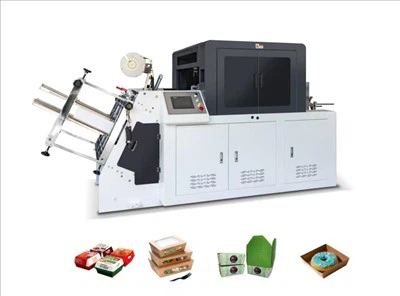
As a responsible provider of semi-automatic die cutting machines, I’ve witnessed firsthand the pivotal role that synchronization between the die and the material plays in the die cutting process. Achieving perfect synchronization is not just a matter of enhancing efficiency; it’s crucial for ensuring high-quality cuts, minimizing waste, and optimizing the overall performance of the machine. In this blog, I’ll share some insights and practical tips on how to ensure this vital synchronization. Semi-automatic Die Cutting Machine
Understanding the Basics of Synchronization
Before delving into the solutions, it’s essential to understand why synchronization is necessary. In a semi-automatic die cutting machine, the die is the tool that cuts or shapes the material. The material, on the other hand, is the substrate that is being processed, such as paper, cardboard, or plastic. If the die and the material are not synchronized correctly, several issues can arise. For example, the die may cut the material at the wrong position, leading to inaccurate cuts and wasted material. In some cases, the die may even damage the machine itself if it collides with the material or other components due to poor synchronization.
Factors Affecting Synchronization
Several factors can influence the synchronization of the die and the material in a semi-automatic die cutting machine. These include:
- Mechanical Wear and Tear: Over time, the mechanical components of the machine, such as belts, gears, and bearings, can wear out. This wear can cause the machine’s movement to become less precise, affecting the synchronization between the die and the material.
- Material Characteristics: Different materials have different physical properties, such as thickness, stiffness, and elasticity. These properties can affect how the material moves through the machine and how it interacts with the die. For example, a thick and stiff material may require more force to feed through the machine, which can impact the synchronization.
- Operator Skill: The skill level of the operator can also play a significant role in synchronization. An experienced operator is more likely to be able to adjust the machine settings correctly and identify and address synchronization issues quickly.
- Machine Settings: Incorrect machine settings, such as feed speed, cutting pressure, and registration settings, can directly affect the synchronization between the die and the material.
Strategies for Ensuring Synchronization
Now that we’ve identified the factors affecting synchronization, let’s explore some strategies for ensuring that the die and the material are perfectly in sync.
Regular Maintenance
One of the most effective ways to ensure synchronization is to perform regular maintenance on the semi-automatic die cutting machine. This includes cleaning, lubricating, and inspecting the mechanical components. By keeping the machine in good working condition, you can minimize the effects of wear and tear and ensure that the machine operates smoothly. For example, regularly checking and replacing worn belts and gears can prevent slippage and ensure accurate movement of the die and the material.
Material Testing and Adjustment
Before starting a production run, it’s important to test the material on the machine. This involves running a small batch of the material through the machine and checking the quality of the cuts. Based on the results of the test, you can make adjustments to the machine settings, such as feed speed and cutting pressure, to ensure optimal synchronization. For instance, if the material is too thick or stiff, you may need to increase the cutting pressure and reduce the feed speed to ensure a clean cut.
Operator Training
Investing in operator training is another crucial step in ensuring synchronization. Operators should be trained on how to properly set up the machine, adjust the settings for different materials, and troubleshoot synchronization issues. By providing comprehensive training, you can ensure that your operators have the skills and knowledge necessary to operate the machine effectively and achieve high-quality results.
Use of Advanced Technologies
Many modern semi-automatic die cutting machines are equipped with advanced technologies that can help improve synchronization. For example, some machines feature servo motor control systems, which provide precise control over the movement of the die and the material. These systems can automatically adjust the feed speed and other settings based on the material characteristics, ensuring optimal synchronization. Additionally, some machines use sensors to detect the position of the material and the die and make real-time adjustments to ensure accuracy.
Calibration and Alignment
Regular calibration and alignment of the machine are essential for maintaining synchronization. This involves checking and adjusting the position of the die, the feed mechanism, and other components to ensure that they are properly aligned. Incorrect alignment can cause the die to cut the material at an angle or in the wrong position, leading to inaccurate cuts and wasted material. By regularly calibrating and aligning the machine, you can ensure that the die and the material are always in the correct position relative to each other.
Addressing Common Synchronization Issues
Even with the best maintenance and operating practices, synchronization issues can still occur. Here are some common issues and how to address them:
- Misaligned Cuts: If the cuts are misaligned, it could be due to incorrect registration settings or a problem with the alignment of the die or the material feed mechanism. Check the registration settings and make sure that the die and the material are properly aligned. You may also need to clean or lubricate the feed mechanism to ensure smooth movement.
- Incomplete Cuts: Incomplete cuts can be caused by insufficient cutting pressure, a dull die, or incorrect feed speed. Increase the cutting pressure, replace the die if it is dull, and adjust the feed speed to ensure that the material is fed through the machine at the right rate.
- Material Jams: Material jams can occur if the material is not fed through the machine properly or if there is an obstruction in the feed path. Check the feed path for any obstructions and make sure that the material is loaded correctly. You may also need to adjust the feed speed or the tension of the material to prevent jams.
Conclusion

Ensuring the synchronization of the die and the material in a semi-automatic die cutting machine is essential for achieving high-quality cuts, minimizing waste, and optimizing the performance of the machine. By understanding the factors affecting synchronization, implementing the strategies outlined above, and addressing common issues promptly, you can ensure that your machine operates at its best.
Hot Foil Stamping Machine If you’re in the market for a semi-automatic die cutting machine or need further assistance with synchronization or any other aspect of die cutting, we’re here to help. Our team of experts has extensive experience in the industry and can provide you with the guidance and support you need to make the right decisions for your business. Contact us today to discuss your requirements and explore how our semi-automatic die cutting machines can meet your needs.
References
- "Die Cutting Technology Handbook", a comprehensive guide on die cutting principles and techniques.
- Industry articles from leading die cutting magazines, which provide insights on the latest trends and best practices in die cutting.
Zhejiang Dai’s Printing Machine Co., Ltd.
Zhejiang Dai’s Printing Machine Co., Ltd. is one of the most experienced semi-automatic die cutting machine manufacturers and suppliers in China, also supports customized service. Please rest assured to buy bulk durable semi-automatic die cutting machine at low price from our factory. For pricelist, contact us now.
Address: No. 797, Nanming Road, Shuige Industrial Park, Liandu District, Lishui City, Zhejiang Province, P.R. China
E-mail: 3376094828@qq.com
WebSite: https://www.dais-machine.com/
