As a supplier of ribbon mixers, I’ve had the privilege of working closely with these remarkable pieces of equipment. In this blog, I’ll delve into the main components of a ribbon mixer, explaining their functions and how they contribute to the overall performance of the machine. Ribbon Mixer
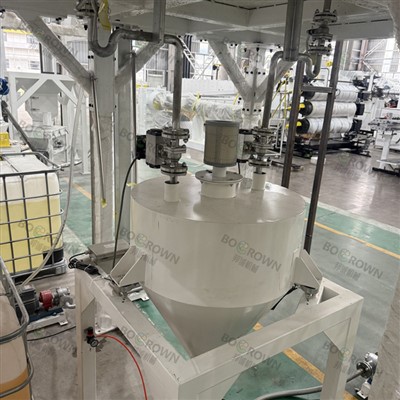
1. Mixing Chamber
The mixing chamber is the heart of the ribbon mixer. It’s where all the magic happens. This chamber is typically a horizontal, cylindrical vessel made of high – quality stainless steel or carbon steel, depending on the application. Stainless steel is often preferred for food, pharmaceutical, and chemical industries due to its corrosion resistance and hygienic properties.
The size of the mixing chamber varies according to the capacity of the mixer. Smaller mixers may have a chamber with a volume of a few liters, while industrial – scale mixers can have chambers with volumes of several cubic meters. The shape of the chamber is designed to ensure that the materials inside are evenly mixed. The smooth interior surface of the chamber allows for easy movement of the ribbons and the materials, reducing the risk of material buildup and ensuring thorough mixing.
2. Ribbon Agitator
The ribbon agitator is the most distinctive component of a ribbon mixer. It consists of two or more helical ribbons that are mounted on a central shaft. The ribbons are designed in such a way that they move the materials in two directions simultaneously. The outer ribbon moves the materials from the ends of the chamber towards the center, while the inner ribbon moves the materials from the center towards the ends. This counter – current movement creates a complex flow pattern that ensures efficient mixing.
The ribbons are usually made of stainless steel or carbon steel, and their thickness and pitch are carefully designed to match the characteristics of the materials being mixed. For example, when mixing light and fluffy materials, a ribbon with a larger pitch may be used to allow for better movement of the materials. The central shaft that supports the ribbons is driven by a motor, which provides the necessary power to rotate the agitator.
3. Drive System
The drive system of a ribbon mixer is responsible for powering the ribbon agitator. It typically consists of an electric motor, a gearbox, and a coupling. The electric motor is the primary source of power. The power rating of the motor depends on the size and capacity of the mixer. Larger mixers require more powerful motors to drive the agitator.
The gearbox is used to reduce the speed of the motor and increase the torque. This is important because the ribbon agitator needs to rotate at a relatively slow speed to ensure proper mixing. The coupling connects the motor to the gearbox and the gearbox to the central shaft of the ribbon agitator. It helps to transmit the power smoothly and efficiently, while also absorbing any shock or vibration that may occur during operation.
4. Discharge System
The discharge system is used to remove the mixed materials from the mixing chamber. There are several types of discharge systems available, including bottom discharge, side discharge, and pneumatic discharge.
Bottom discharge is the most common type. It consists of a valve at the bottom of the mixing chamber. When the mixing process is complete, the valve is opened, and the materials flow out of the chamber under the influence of gravity. This type of discharge is simple and efficient, and it ensures that most of the materials are removed from the chamber.
Side discharge is used in some applications where the materials need to be discharged into a specific location. A side – mounted valve is opened, and the materials are pushed out of the chamber by the ribbon agitator.
Pneumatic discharge is used for materials that are difficult to discharge by gravity or mechanical means. Compressed air is used to blow the materials out of the chamber. This type of discharge is often used in the pharmaceutical and food industries, where cleanliness and precision are important.
5. Inlet System
The inlet system is used to introduce the materials into the mixing chamber. It can be a simple opening at the top of the chamber or a more complex system that includes hoppers, feeders, and conveyors.
Hoppers are used to store the materials before they are fed into the mixer. They can be designed to hold different volumes of materials, depending on the production requirements. Feeders are used to control the rate at which the materials are fed into the mixer. They can be volumetric feeders or gravimetric feeders, depending on the accuracy required.
Conveyors are used to transport the materials from the storage area to the hopper or directly into the mixing chamber. They can be belt conveyors, screw conveyors, or pneumatic conveyors, depending on the nature of the materials and the distance they need to be transported.
6. Control System
The control system of a ribbon mixer is used to monitor and control the operation of the machine. It typically includes a control panel with a variety of switches, buttons, and indicators. The control panel allows the operator to start and stop the mixer, adjust the speed of the agitator, and monitor the temperature and other parameters inside the mixing chamber.
In modern ribbon mixers, the control system may also include a programmable logic controller (PLC). The PLC can be programmed to perform a variety of tasks, such as controlling the feeding and discharging of materials, adjusting the mixing time, and monitoring the performance of the machine. This allows for more precise control and automation of the mixing process.
7. Support Structure
The support structure of a ribbon mixer is used to hold the mixing chamber, the drive system, and other components in place. It is usually made of steel and is designed to be strong and stable. The support structure may include legs, frames, and brackets that are bolted or welded together.
The design of the support structure takes into account the weight of the mixer and the materials it will be handling. It also needs to be able to withstand the vibration and movement that occurs during operation. In some cases, the support structure may be designed to be adjustable, allowing for easy installation and leveling of the mixer.
8. Sealing System
The sealing system is an important component of a ribbon mixer, especially in applications where the materials being mixed are dusty, volatile, or require a high level of cleanliness. The sealing system is used to prevent the leakage of materials from the mixing chamber and to keep out contaminants.
It typically includes seals around the central shaft of the ribbon agitator, the discharge valve, and the inlet openings. The seals are made of materials such as rubber, silicone, or Teflon, which are resistant to wear, chemicals, and high temperatures. The quality of the sealing system can have a significant impact on the performance and longevity of the mixer.
Conclusion
In conclusion, a ribbon mixer is a complex piece of equipment that consists of several key components. Each component plays a crucial role in the mixing process, from the mixing chamber where the materials are combined to the control system that ensures precise operation. Understanding the main components of a ribbon mixer is essential for anyone who is involved in the production, operation, or selection of these machines.
PVC Automatic Compounding and Feeding System If you’re in the market for a ribbon mixer, I invite you to contact us for more information. Our team of experts can help you choose the right mixer for your specific needs and provide you with detailed technical support. We’re committed to delivering high – quality ribbon mixers that meet the highest standards of performance and reliability.
References
- Perry, R. H., & Green, D. W. (1997). Perry’s Chemical Engineers’ Handbook. McGraw – Hill.
- Smith, J. M., Van Ness, H. C., & Abbott, M. M. (2005). Introduction to Chemical Engineering Thermodynamics. McGraw – Hill.
ZJG BC Machinery Co., Ltd.
As one of the most professional ribbon mixer manufacturers and suppliers in China, we’re featured by quality products and good price. Please rest assured to buy cost-efficient ribbon mixer for sale here from our factory. Contact us for custom service and OEM service.
Address: No.8 Lexi Road, Leyu Town, Zhangjiagang City
E-mail: sales@bcextruder.com
WebSite: https://www.bcextruder.com/
