Hey there, it’s [your company name], and we’ve been making 3D PVC patches for folks across outdoor gear, team apparel, work uniforms, and just about anything else that needs a little extra personality for the last 8 years. Lately, we’ve gotten a ton of questions from new customers and even long-time clients who are noticing more concern over “safety” when it comes to PVC patches. Are they safe for kids? Do they off-gas weird stuff? Can I toss them in the washer without them melting? That’s exactly what we’re breaking down today—no boring industry jargon, just the real stuff we deal with every single day as a 3D PVC patch supplier. 3D PVC Patch
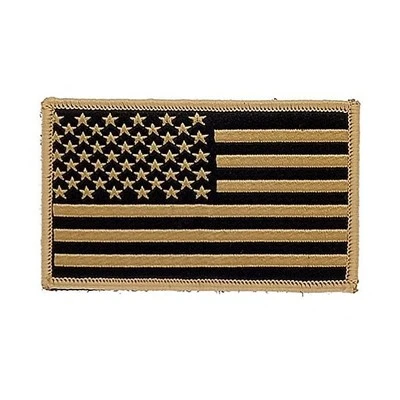
First off, let’s clear up the biggest confusion: PVC here is not that same flimsy, old plastic you used to find on cheap shower curtains as a kid. The 3D PVC patches we make use calendared PVC—it’s a thick, flexible, heat-resistant grade that’s formulated specifically for outdoor and apparel use. A lot of people hear “PVC” and immediately think “toxic,” but that’s a leftover take from decades ago when some cheap, unregulated plastic products were found to have phthalates (those chemical plasticizers that make soft PVC bendy) in amounts way above what’s safe. But here’s the thing: we don’t use that junk. All our PVC is third-party tested to meet EU REACH standards, US CPSC rules, and even California’s Prop 65 regulations for any materials that go near skin. That means no lead, no cadmium, and only trace levels of any residual chemicals that are way below the safety threshold. We actually keep copies of all the test Certificates of Compliance (CoCs) on hand for anyone who asks—no hoops to jump through, we just shoot ‘em over. I’ve had a few mom groups reach out asking if our patches are safe for toddler backpacks, and our answer is always “yes, as long as you get the right size and apply them correctly” which we’ll get to in a sec.
Now, the actual safety risks with 3D PVC patches? Wait, hold on—they’re way more likely to be user error than the patch itself being defective. Let’s start with off-gassing, because that’s the most common myth I hear. When you get a new PVC patch, might it have a slight plastic smell for the first day? Yeah, but that’s just the residual manufacturing lubricant from the molding process. It’s not toxic fumes, it’s just a tiny amount of vapor that dissipates within 24 to 48 hours when you leave the patch out in a well-ventilated spot. We even recommend that for custom patches, especially if they’re going on something you wear every day, just set them on a counter or porch for a day before applying—takes the edge off that new-plastic scent, no weird chemicals escaping. I once had a customer panic and send back a batch because their patch smelled “chemical,” and when we walked them through airing it out, they texted us a week later saying it was totally gone and their team loved them. Problem solved, no big deal.
Next up, skin safety. This is another big one, especially for people with sensitive skin, eczema, or allergies to adhesive materials or synthetic fabrics. The adhesive we use to attach patches is a pressure-sensitive acrylic adhesive that’s hypoallergenic, and it’s medical-grade too—wait, no, not exactly medical, but it’s tested for skin contact for up to 7 days straight. But here’s a rule we always tell people: if you’re putting a patch on a shirt, hoodie, or backpack, don’t stick it directly to skin unless you use a fabric backing. A lot of people make that mistake—they see a cool patch and just slap it on their jacket that’s thin, or even worse, their jersey that’s next to bare skin for 8 hours a day. Even if the adhesive is safe, some people just react to prolonged contact with any synthetic material, not specific chemicals. So our go-to tip is: if it’s going on apparel, attach it to a layer of cotton or fleece first, not directly to bare skin. We also get a lot of people asking about patches for work uniforms—like for construction, EMTs, or teachers. We make sure those patches have rounded edges too, not sharp corners, because a sharp edge digging into your arm when you’re driving a forklift or bending over a desk is a lot more of a “safety issue” than any chemical in the plastic. That’s a design call we make on every single custom order—no sharp edges, no small parts that can break off, especially if the patch is going on gear that kids use, like backpacks, lunch boxes, or sports uniforms.
Wait, speaking of small parts—we get a lot of kids’ patch orders, right? For sports teams, scout troops, birthday gifts. The biggest safety risk there isn’t the PVC, it’s improper application or size. Never make a patch smaller than 2 inches for kids under 6, because little fingers can pull off tiny pieces and choke on them. We also tell people to use a heat press, not fabric glue, for attaching patches to kids’ gear. Fabric glue can flake off over time, but a properly heat-pressed patch melts a tiny bit into the fabric fibers, so it’s way harder to pull off. We always include a quick heat press guide with every bulk order: 300 degrees Fahrenheit, 10-15 seconds, medium pressure, and make sure you put a press cloth over the patch so you don’t burn the PVC or the fabric. I’ve heard horror stories of people burning a patch so bad it leaves a black residue on their backpack, but that’s just bad application, not the patch being unsafe.
Now, what about durability-related safety? 3D PVC patches are way tougher than embroidered patches, right? They don’t fray, they don’t pill, they can get wet, they can go through the washer (wait, hold on—can you wash PVC patches? Yes, but not in a dryer. Don’t put them in the dryer, that’s the only rule. The heat from a dryer can make the adhesive melt or the PVC warp, which makes the patch come loose. But if you throw a jacket with a PVC patch in the washing machine on a gentle cycle with cold water, it’s totally fine. I’ve had customers tell us they’ve washed their work jacket with our patches on it for 5 years straight and they still look brand new. The durability part is a safety thing because if a patch comes loose while you’re on a hike, or at a construction site, it’s not just a lost patch—it’s a possible tripping hazard, or something that can get stuck in machinery. That’s why we design our patches to be thick enough (usually 1/8 inch, not thin flimsy stuff) so they don’t tear or break off. We also test every new PVC formula for tensile strength—like how much you can pull on it before it tears, just to make sure it’s tough enough for everyday use. That’s a step we don’t skip, even if it adds a tiny bit to the cost; our customers care about long-term safety, not a cheap patch that falls off after one use.
Another question we get: what about patches for medical gear? Like for strollers, wheelchairs, or even medical ID bracelets. We’ve had a few hospitals order small, custom PVC patches for ID badges, and they confirm that our PVC is compatible with medical cleaning products—no weird reactions when you wipe it down with disinfectant, no discoloration. That’s another test we do: we soak sample patches in common hospital disinfectants (like bleach-based cleaners, alcohol wipes) for 24 hours and make sure they don’t break down or release any chemicals. So that’s another angle to safety that people don’t think about—how the patch holds up to cleaning, because if it’s going on something that needs to be sanitized regularly, you don’t want it leaching chemicals into the gear.
Wait, let’s bust one more myth: “PVC is not biodegradable, so it’s bad for the environment.” Okay, that’s a valid concern, but it’s a safety aspect too, right? Because if plastic is hanging around in landfills for hundreds of years, that’s not great for anyone. So we’ve made some changes over the last few years to make our patches more eco-friendly, without cutting corners on safety. We now use a partially recycled PVC material for 70% of our patches, and we’re rolling out 100% recycled PVC later this year. We also partner with a recycling program that takes back old patches when customers don’t want them anymore, and we melt them down to make new PVC products, so they don’t end up in landfills. That’s a big part of what makes our patches safe, in our book—they’re not just safe for the people using them, they’re safe for the planet too.
But let’s be real, no product is 100% foolproof, and 3D PVC patches have some safety caveats. First, never leave a patch on a car dashboard or in direct sunlight for extended periods. The high heat in a car can make the adhesive melt, or the PVC can warp, and then it can stick to the dashboard or peel off. Second, don’t use patches on flammable surfaces, like party balloons, or very thin fabrics that can tear easily. Third, if you have a patch that’s peeling at the edges, reapply it with a new layer of adhesive or use a heat press to press it back down—peeling edges can catch on things, leading to the patch coming loose and becoming a hazard. And as we said before, never use tiny patches for young kids; size matters for safety.
At the end of the day, as a 3D PVC patch supplier, our job isn’t just to make cool-looking patches—it’s to make patches that are safe for every person, every use case, and every environment. We’ve been in this long enough to know that most “safety issues” with PVC patches aren’t the product’s fault, they’re user error or old info from a time when PVC products weren’t regulated. All our stuff is tested, formulated, and designed to meet the highest safety standards, and we’re always open about that—no fine print, no hidden chemicals, just honest answers to any questions you have.
If you’re looking for custom patches for your team, your business, your kid’s sports team, or anything else, we’re here to chat. We can walk you through safety specs, test results, design tips, whatever you need to make sure your patches are not only looking great but totally safe for whoever uses them. Hit us up to start a conversation about your next order—we’re happy to help every step of the way.
Woven Patch/label References
- European Chemicals Agency (ECHA). (2024). REACH Regulation on Restricted Substances in PVC.
- U.S. Consumer Product Safety Commission (CPSC). (2023). Safety Standards for Children’s Apparel Accessories.
- ASTM International. (2022). Standard Test Methods for Tensile Strength of PVC Materials.
- World Health Organization (WHO). (2021). Chemical Safety Assessment of PVC for Consumer Products.
Yiwu Lanying Garment Accessories Co., Ltd.
As one of the most professional 3d pvc patch manufacturers and suppliers in China, we’re featured by quality products and good service. Please rest assured to wholesale premium 3d pvc patch at competitive price from our factory. Customized orders are welcome.
Address: F1,NO.448, Majiaotang Village, Houzhai Street, Yiwu City, Zhejiang Province, China 322000
E-mail: zhangchunyingzi@126.com
WebSite: https://www.embroideredpatchfactory.com/
