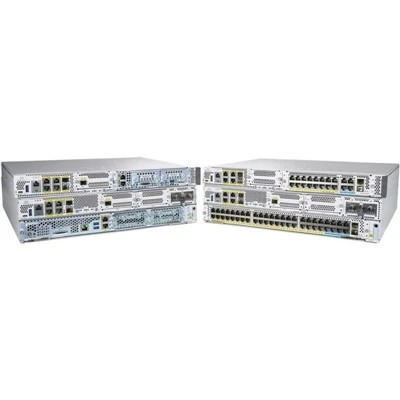
Quality of Service (QoS) is a crucial aspect of network management, especially in today’s data – intensive world. As a supplier of Routers for Cisco, I’ve witnessed firsthand the importance of proper QoS configuration in ensuring optimal network performance. In this blog, I’ll guide you through the process of configuring QoS on a Cisco router, sharing insights and best practices based on my years of experience in the industry. Routers for Cisco
Understanding QoS
Before diving into the configuration process, it’s essential to understand what QoS is and why it matters. QoS is a set of techniques used to manage network traffic and ensure that critical applications receive sufficient bandwidth and low latency. In a network with limited resources, different types of traffic have different requirements. For example, voice and video traffic are highly sensitive to latency and jitter, while file transfers and email are more tolerant.
QoS allows you to prioritize traffic based on its importance and characteristics. By doing so, you can prevent less critical traffic from consuming all the available bandwidth and causing performance degradation for critical applications.
Prerequisites for QoS Configuration
Before you start configuring QoS on a Cisco router, there are a few prerequisites you need to meet:
- Cisco Router Knowledge: You should have a basic understanding of Cisco router operation, including how to access the router’s command – line interface (CLI).
- Network Analysis: Conduct a thorough analysis of your network traffic. Identify the types of traffic, their bandwidth requirements, and their sensitivity to latency and jitter.
- Router Configuration: Ensure that your Cisco router is properly configured with basic settings such as IP addresses, interfaces, and routing protocols.
Steps to Configure QoS on a Cisco Router
Step 1: Define Traffic Classes
The first step in QoS configuration is to define traffic classes. Traffic classes are groups of traffic that share similar characteristics and requirements. You can define traffic classes based on various criteria, such as source and destination IP addresses, port numbers, and protocol types.
To define a traffic class, you use the class - map command. Here is an example of how to define a traffic class for voice traffic:
Router(config)# class - map match - all VOICE_TRAFFIC
Router(config - cmap)# match protocol sip
Router(config - cmap)# match protocol rtp audio
In this example, we create a traffic class named VOICE_TRAFFIC that matches SIP (Session Initiation Protocol) and RTP (Real – Time Transport Protocol) audio traffic.
Step 2: Define Policy Maps
Once you have defined your traffic classes, the next step is to define policy maps. Policy maps specify the QoS actions to be taken for each traffic class. You can use policy maps to set bandwidth limits, prioritize traffic, and perform other QoS functions.
To define a policy map, you use the policy - map command. Here is an example of how to define a policy map for the VOICE_TRAFFIC class:
Router(config)# policy - map VOICE_POLICY
Router(config - pmap)# class VOICE_TRAFFIC
Router(config - pmap - c)# priority percent 20
In this example, we create a policy map named VOICE_POLICY and apply it to the VOICE_TRAFFIC class. We use the priority command to give voice traffic a high priority and allocate 20% of the available bandwidth to this class.
Step 3: Apply Policy Maps to Interfaces
After defining the policy maps, you need to apply them to the appropriate interfaces on your Cisco router. Applying a policy map to an interface determines which traffic classes are subject to the QoS actions defined in the policy map.
To apply a policy map to an interface, you use the service - policy command. Here is an example of how to apply the VOICE_POLICY policy map to an interface:
Router(config)# interface GigabitEthernet0/0
Router(config - if)# service - policy output VOICE_POLICY
In this example, we apply the VOICE_POLICY policy map to the outgoing traffic on the GigabitEthernet0/0 interface.
Best Practices for QoS Configuration
Bandwidth Allocation
When allocating bandwidth to different traffic classes, it’s crucial to ensure that you don’t over – commit your network resources. Analyze your network traffic patterns and allocate bandwidth based on the actual requirements of each traffic class. Also, leave some reserve bandwidth for unexpected traffic spikes.
Monitoring and Tuning
QoS configuration is not a one – time task. You need to continuously monitor your network performance and adjust your QoS policies as needed. Use Cisco’s built – in monitoring tools to track traffic utilization, latency, and other performance metrics.
Avoiding Over – Prioritization
While it’s important to prioritize critical traffic, over – prioritizing can lead to resource starvation for other traffic classes. Make sure that your QoS policies strike the right balance between prioritizing critical traffic and allowing non – critical traffic to function properly.
Troubleshooting QoS Configuration
Even with careful planning and configuration, you may encounter issues with your QoS setup. Here are some common troubleshooting steps:
- Check Configuration Syntax: Ensure that your
class - map,policy - map, andservice - policycommands are entered correctly. A simple syntax error can prevent your QoS policies from working properly. - Verify Interface Settings: Make sure that the policies are applied to the correct interfaces and that the interfaces are in the correct state.
- Monitor Traffic: Use network monitoring tools to check the traffic patterns and performance metrics. Look for any signs of congestion or misconfigured QoS policies.
Why Choose Our Routers for Cisco
As a supplier of Routers for Cisco, we offer high – quality routers that are designed to support advanced QoS features. Our routers are built with the latest technology and provide excellent performance and reliability. When you choose our routers, you can be confident that you’re getting a product that can handle your network’s QoS requirements effectively.
Our team of experts is also available to provide support and assistance with QoS configuration. We can help you analyze your network traffic, design the appropriate QoS policies, and troubleshoot any issues that may arise. Whether you’re a small business or a large enterprise, we have the solutions to meet your needs.

If you’re interested in learning more about our Routers for Cisco or need help with QoS configuration, don’t hesitate to get in touch with us. We’re here to help you optimize your network performance and ensure that your critical applications run smoothly.
Conclusion
Routers for Juniper Configuring QoS on a Cisco router is a complex but essential task for ensuring optimal network performance. By following the steps outlined in this blog and adhering to best practices, you can effectively manage your network traffic and prioritize critical applications. As a supplier of Routers for Cisco, we’re committed to helping you achieve these goals. Contact us today to learn more about our products and services and discuss how we can assist you with your QoS configuration needs.
References
- Cisco IOS Quality of Service Solutions Configuration Guide
- Cisco Network Basics and Configuration Training Manual
AITI Tech Limited
AITI Tech Limited is one of the most professional routers for cisco manufacturers and suppliers in China for over 20 years, featured by quality products and low price. Welcome to buy bulk discount routers for cisco in stock here from our factory. If you have any enquiry about pricelist, please feel free to email us.
Address: 6F, Haogong Building, Yannan Road, Futian District, Shenzhen, China
E-mail: kelly@hkaiti.com
WebSite: https://www.hkaiti.com/
