Hey there! As a sodium citrate supplier, I’ve been getting a lot of questions lately about what role this nifty little compound plays in the textile industry. So, I thought I’d sit down and write this blog to share some insights. Sodium Citrate
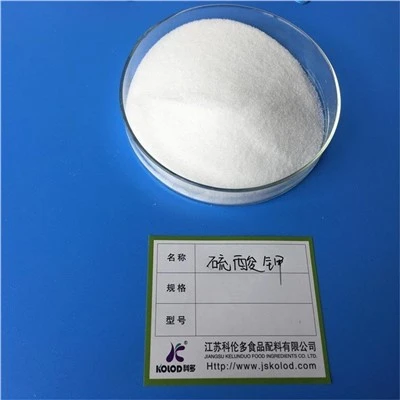
First off, let’s talk a bit about what sodium citrate is. It’s a salt of citric acid, and it’s got a whole bunch of uses in different industries. In the textile world, though, it really shines in a few key areas.
One of the main roles of sodium citrate in the textile industry is as a pH regulator. In textile processing, maintaining the right pH level is super important. Different processes like dyeing, printing, and finishing all have specific pH requirements. If the pH is too high or too low, it can mess up the whole process and lead to uneven color, poor dye fixation, or other quality issues.
Sodium citrate is great for this because it can act as a buffer. It helps keep the pH within a stable range, even when other chemicals are added to the process. For example, during dyeing, some dyes work best in a slightly acidic environment. By adding sodium citrate, we can adjust the pH of the dye bath to the optimal level and make sure the dye adheres properly to the fabric. This results in more vibrant and long – lasting colors.
Another cool thing about sodium citrate is its chelating ability. In textile processing, there are often metal ions present in the water or the raw materials. These metal ions can cause problems like discoloration, reduced dye affinity, and even damage to the fabric. Sodium citrate can form complexes with these metal ions, effectively removing them from the solution.
Let’s say you’re using hard water for textile processing. Hard water contains a lot of calcium and magnesium ions. These ions can react with the dyes and form insoluble precipitates, which can make the fabric look dull and patchy. By adding sodium citrate to the water, it will bind to these metal ions and prevent them from interfering with the dyeing process. This not only improves the quality of the finished product but also reduces the amount of dye needed, which can save costs in the long run.
Sodium citrate also plays a role in the desizing process. Desizing is the step where the sizing agents (substances that are added to the yarn during weaving to improve its strength and smoothness) are removed from the fabric. Some sizing agents are difficult to remove and can leave residues on the fabric if the desizing process is not done correctly.
Sodium citrate can enhance the desizing efficiency. It can break down the chemical bonds in the sizing agents, making them easier to wash away. This helps to produce a cleaner and more absorbent fabric, which is essential for subsequent processes like dyeing and finishing.
In addition, sodium citrate is used in textile printing. In printing pastes, it helps to control the viscosity and stability of the paste. A well – controlled viscosity is crucial for getting sharp and clear prints on the fabric. If the paste is too thick, it won’t spread evenly, and the print will look blotchy. If it’s too thin, the colors may bleed and the design will lose its definition.
Sodium citrate can also improve the stability of the printing paste over time. It prevents the paste from separating or thickening too quickly, which ensures consistent printing quality throughout the production process.
Now, I know what you’re thinking. "This all sounds great, but how do I know if sodium citrate is the right choice for my textile business?" Well, let me tell you, the benefits are pretty clear. By using sodium citrate, you can improve the quality of your textile products, reduce production costs, and increase overall efficiency.
If you’re in the textile industry and you’re looking for a reliable sodium citrate supplier, you’ve come to the right place. I’ve been in this business for years, and I know what it takes to provide high – quality sodium citrate products. We’ve got a variety of grades and purities to suit different needs, and we can work with you to find the best solution for your specific textile processes.
Whether you’re a small – scale textile workshop or a large – scale manufacturing plant, we can supply the sodium citrate you need in the right quantities. Our products are carefully tested to ensure they meet the highest quality standards, so you can trust that you’re getting a top – notch product.
If you’re interested in learning more about how sodium citrate can benefit your textile business or if you want to place an order, don’t hesitate to get in touch. We’re here to answer all your questions and help you make the most of this amazing compound in your textile processes.
In conclusion, sodium citrate is a versatile and valuable compound in the textile industry. Its ability to regulate pH, chelate metal ions, improve desizing efficiency, and enhance printing quality makes it an essential ingredient for many textile processes. So, if you’re looking to take your textile production to the next level, consider giving sodium citrate a try.
Ammonium Citrate Dibasic References:
- Textile Chemistry Handbook
- Journal of Textile Processing Technology
Jiangsu Kolod Food Ingredients Co., Ltd.
As one of the most professional sodium citrate manufacturers and suppliers in China, we’re featured by quality products and good price. Please rest assured to wholesale bulk sodium citrate made in China here and get free sample from our factory. Customized orders are welcome.
Address: South Side of Weier Road, Guanyun Development Zone, Lianyungang City, Jiangsu Province, China
E-mail: sales1399@jskolod.com
WebSite: https://www.kolod-group.com/
