Hey there, fellow bike enthusiasts! I’m a supplier of bicycle inner tubes, and over the years, I’ve seen my fair share of bike inner tube blowouts. It can be a real bummer, especially when you’re out in the middle of nowhere on a long ride. But don’t worry! I’m here to share some tips on how to handle a blowout of a bicycle inner tube like a pro. Bicycle Inner Tube
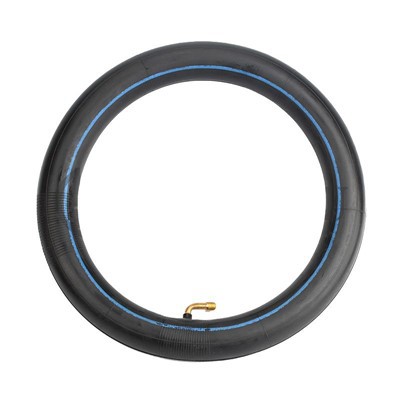
First things first, let’s talk about what causes a blowout. There are a few common culprits. One of the most typical reasons is a puncture from a sharp object like a nail, glass shard, or even a thorny plant. Sometimes, the inner tube can wear out over time due to normal use, and a weak spot can develop, causing it to burst. Another cause could be over – inflation. If you pump too much air into the inner tube, the pressure can become too high, leading to a blowout.
So, what should you do when you get a blowout? Well, the first step is to stay calm. A sudden blowout can be scary, especially if you’re going at a high speed. But panicking won’t help. As soon as you feel the blowout, gently apply the brakes if you’re riding. Try to avoid using the front brake too hard, as this can cause you to lose control and potentially crash. Instead, use the rear brake gradually to slow down and come to a safe stop.
Once you’ve stopped, find a safe place to park your bike. You don’t want to be in the middle of a busy road or a dangerous area. Look for a flat and stable surface, like a sidewalk or the grass. Make sure your bike is secure so it doesn’t tip over while you’re working on it.
Now, it’s time to assess the damage. Take a look at the affected tire. Remove the wheel from the bike. Most modern bikes have quick – release mechanisms that make this process pretty easy. If not, you’ll need a wrench to loosen the nuts holding the wheel in place. Once the wheel is off, you can get a better look at the inner tube.
Identify the puncture on the inner tube. Sometimes, if it’s a big blowout, it will be obvious. But for smaller punctures, you might need to do a bit of detective work. You can submerge the tube in water (if you have a container nearby) and look for bubbles. Or, you can feel around the tube for a hole. Another way is to listen for a hissing sound if there’s still some air left in the tube.
After finding the puncture, you have two main options: patching the tube or replacing it. If it’s a small puncture, patching the tube can be a quick and cost – effective solution. You’ll need a patch kit, which usually includes patches, some sandpaper to roughen the surface around the puncture, and glue.
Start by using the sandpaper to gently roughen the area around the hole. This helps the patch adhere better. Then, apply a thin layer of glue to both the roughened area on the tube and the patch. Let the glue dry for a few minutes until it becomes tacky. Once it’s ready, carefully place the patch over the hole and press it down firmly. Make sure there are no air bubbles trapped under the patch.
If the puncture is too large or the tube has multiple holes, it’s probably better to replace the inner tube. As a bicycle inner tube supplier, I always recommend having a spare inner tube with you when you go on a ride. Make sure it’s the right size for your tire. You can usually find this information on the sidewall of your tire.
To replace the inner tube, first, remove what’s left of the old tube from the tire. Be careful not to damage the tire or the valve. Then, insert the new inner tube into the tire. Start by inserting the valve through the valve hole in the rim. Then, work the rest of the tube into the tire, making sure it’s evenly distributed. Once the tube is mostly in, add a little bit of air to it to give it some shape. This will make it easier to finish fitting it into the tire.
Next, carefully mount the tire back onto the rim. Start at one side and work your way around. You might need to use tire levers to help you get the tire over the rim. Be gentle, as using too much force can damage the tire or the new inner tube. Once the tire is on, check to make sure it’s seated properly on the rim all the way around. Then, inflate the inner tube to the recommended pressure. You can find this pressure range on the sidewall of your tire.
Now, let’s talk about prevention. The best way to handle a blowout is to prevent it from happening in the first place. One of the simplest things you can do is to check your tire pressure regularly. Use a good quality tire pressure gauge and make sure your tires are inflated to the right level. Over – inflation and under – inflation can both increase the risk of a blowout.
Inspect your tires for any signs of wear and tear before each ride. Look for things like cuts, cracks, or exposed cords. If you see any serious damage, it’s time to replace the tire. Also, be careful where you ride. Try to avoid areas with lots of sharp objects or debris on the ground.
If you’re planning a long ride, it’s a good idea to carry a basic repair kit with you. This should include a patch kit, a spare inner tube, tire levers, a tire pressure gauge, and a small pump. That way, if you do get a blowout, you’ll be prepared to handle it on the spot.
In conclusion, dealing with a bicycle inner tube blowout doesn’t have to be a nightmare. By staying calm, knowing the right steps to take, and taking preventive measures, you can reduce the chances of getting a blowout and handle it effectively if it does happen.
If you’re in the market for high – quality bicycle inner tubes, I’m here to help. Whether you’re a casual rider or a professional cyclist, I’ve got a wide range of inner tubes to suit your needs. Drop me a message to discuss your requirements and get the best deal for your bike.
Motorcycle Tube References
- "Bicycle Maintenance Manual" by John Smith
- "The Complete Guide to Cycling Repairs" by Jane Doe
Jiangxi Vimia Tyre Co., Ltd.
We’re well-known as one of the leading bicycle inner tube manufacturers and suppliers in China. We warmly welcome you to wholesale bulk high quality bicycle inner tube in stock here from our factory. If you have any enquiry about quotation, please feel free to email us.
Address: Zone C, Industrial Park, Jinxi County, Fuzhou City, Jiangxi Province
E-mail: 17779452635@139.com
WebSite: https://www.cnvimia.com/
