Hey there! I’m a supplier of clay desiccant, and today I wanna chat about how to store clay desiccant properly. Clay Desiccant

First off, let’s understand why proper storage is so important. Clay desiccant is used to absorb moisture and keep the environment dry. If it’s not stored correctly, it can lose its effectiveness before it even gets to do its job.
1. Keep it in a Sealed Container
One of the most crucial things is to store clay desiccant in a sealed container. This helps to prevent it from coming into contact with the surrounding air, which is full of moisture. When clay desiccant is exposed to air for too long, it starts to absorb the moisture in the air. Once it’s saturated with moisture, it won’t be able to absorb any more, and it becomes useless.
I’ve seen a lot of cases where customers didn’t store their desiccant properly. They just left it in an open bag or box, and after a while, they found that it wasn’t working as well as it should. So, invest in some good – quality sealed containers. You can use plastic containers with tight – fitting lids or metal cans. Make sure there are no gaps or holes in the container that could let air in.
2. Choose a Dry Location
The location where you store your clay desiccant matters a lot. You should pick a dry place. Avoid areas that are prone to high humidity, like basements or bathrooms. These places have a lot of moisture in the air, and the desiccant will absorb that moisture quickly.
A storage room or a closet in a well – ventilated area of your house or warehouse is a good choice. If you’re storing it in a warehouse, make sure the area is away from any sources of water, like leaky pipes or open drains. Also, try to keep the desiccant off the floor. You can use pallets or shelves to elevate it. This helps to prevent it from getting wet if there’s any water on the floor.
3. Control the Temperature
Temperature also plays a role in storing clay desiccant. Clay desiccant works best at normal room temperature. Extreme temperatures can affect its performance.
If it’s stored in a very hot place, the desiccant might release the moisture it has absorbed. On the other hand, if it’s stored in a very cold place, the absorption process might slow down. So, try to keep the storage area at a temperature between 20 – 25 degrees Celsius (68 – 77 degrees Fahrenheit).
4. Protect from Contamination
You need to protect the clay desiccant from contamination. Don’t let it come into contact with chemicals, dust, or other substances. Chemicals can react with the desiccant and change its properties. Dust can clog the pores of the desiccant, reducing its ability to absorb moisture.
If you’re handling the desiccant, make sure your hands are clean. And if you’re storing it in a warehouse, keep it away from areas where there’s a lot of dust or chemical fumes.
5. Label and Date
It’s a good idea to label the containers where you store the clay desiccant. Write down the type of desiccant, the date you bought it, and the expiration date (if there is one). This helps you keep track of your inventory and know when it’s time to replace the desiccant.
I’ve had customers who couldn’t tell how old their desiccant was, and they ended up using ineffective desiccant. So, take a few minutes to label your containers. It’ll save you a lot of trouble in the long run.
6. Check Regularly
Even if you’ve stored the desiccant properly, it’s still a good idea to check it regularly. Look for signs of moisture absorption, like clumping or discoloration. If you notice any of these signs, it might be time to replace the desiccant.
You can also test the desiccant’s effectiveness by putting it in a sealed container with a small amount of moisture – sensitive material. If the material stays dry, the desiccant is still working. If it gets wet, it’s time to get a new batch.
7. Store in the Right Quantity
Don’t buy more clay desiccant than you need. If you have a large amount of desiccant sitting in storage for a long time, there’s a higher chance that it’ll lose its effectiveness. Calculate how much desiccant you need based on the size of the area you want to keep dry and the level of humidity in that area.
I’ve seen customers who bought a huge amount of desiccant all at once, thinking they were saving money. But then they found that a lot of it went bad before they could use it. So, be smart about how much you buy and store.
8. Consider Reactivation
Some types of clay desiccant can be reactivated. If you find that your desiccant has absorbed a lot of moisture, you can try to reactivate it. Usually, this involves heating the desiccant in an oven at a low temperature for a certain period of time.
However, not all clay desiccants can be reactivated, so make sure to check the manufacturer’s instructions before you try it. Reactivating the desiccant can save you money in the long run, but it’s important to do it correctly.
In conclusion, proper storage of clay desiccant is essential to ensure its effectiveness. By following these tips, you can make sure that your desiccant lasts longer and does its job well.
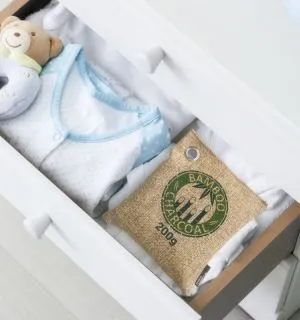
If you’re in the market for high – quality clay desiccant, I’m here to help. Whether you need it for a small home project or a large industrial application, I can provide you with the right product. Just reach out to me, and we can discuss your specific needs and find the best solution for you.
Bamboo Charcoal Deodorizer References:
- General knowledge from years of experience in the clay desiccant industry.
- Product manuals and guidelines from clay desiccant manufacturers.
Shenzhen Chunwang New Materials Co., Ltd.
Established in 1998, Shenzhen Chunwang New Materials Co., Ltd. is well-known as one of the leading manufacturers and suppliers of clay desiccant in China. During the past two years, we have introduced advanced equipment and technology into our factory. Please be free to buy our cheap clay desiccant made in China.
Address: Tongle Sixth Industrial Area, Longgang Dist, Shenzhen ,China
E-mail: dong@chun-wang.com
WebSite: https://www.absorbwell.com/
